Early life and the shape of a name
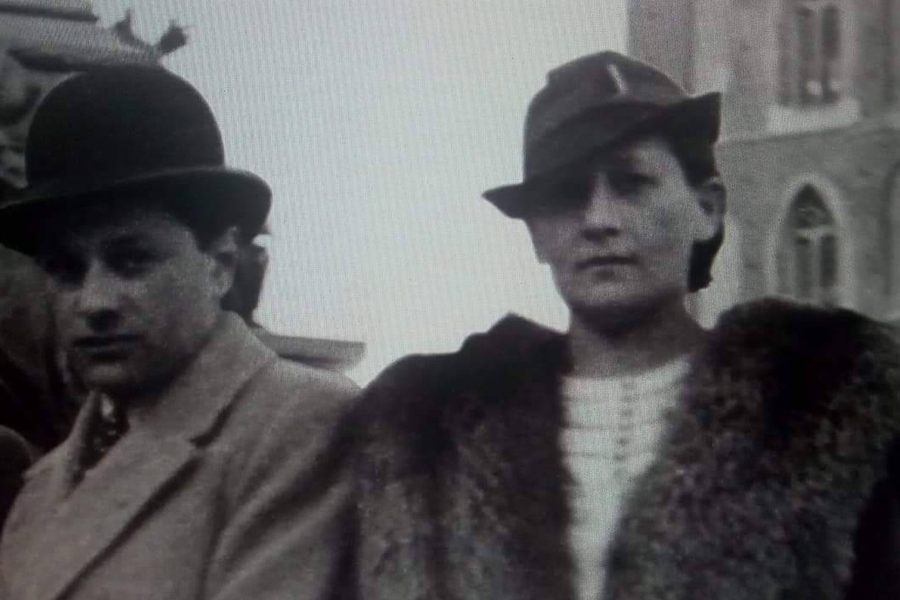
I have held this story in my hands like a folded photograph, edges soft from time. She was born around 1900 into a world that would change with brutal speed. Her given name carried itself through variants, and for much of what I write I use the exact name you asked for. She married, loved, cleaned rooms of stone and history, and navigated a city that could feel both protective and perilous. Her life was ordinary in tasks and extraordinary in the quiet courage that later mattered most.
Family: Roman Polanski
Her boy grew bigger than any kitchen. The 1933-born filmmaker was a light and shadow expert. His life was shaped by his childhood, thus I call him the director. Parental and other arrangements kept him safe as a child. That narrow escape, like a hand-mended seam, rescued a life that would make art and debate. He remembered his mother, whose absence formed him as much as her presence.
Partner and father figure: Ryszard Liebling
He was an artist and the man closest to her, the partner who shared responsibility for the household and for the children. I think of him as the one who negotiated the margins of survival, who paid what was necessary for a child to be sheltered by strangers. He survived the war. After survival, life becomes a list of small reckonings. He carried the lineage forward, sometimes under names that shifted. That is how families persist, through names that change and stories that insist on being told.
Daughter: Annette Polanski
She came from a previous marriage and she lived through horrors that few of us can imagine. She survived a concentration camp and later left for another country. I picture her as both witness and repository. Long after the events, her survival meant the family kept a living thread connecting the past to the present. Her life was testimony in motion, a record kept by living breath.
Grandchild: Morgane Polanski
One of the grandchildren became an actress and public person. I think of her as the second generation who inhabits both the public stage and private memory. She acts in films and also carries, like a talisman, the family history. That history arrives in interviews, in roles, and in the way someone answers a question about roots.
Grandchild: Elvis Polanski
Another grandchild, younger, less in the public eye, holds a place in the ledger of family. The presence of grandchildren is a kind of echo. They bear names, modern and old, and they remind me that lineage is not only about blood, but about the stories told at kitchen tables.
Places and the work that mattered: Wawel Royal Castle and Krakow ghetto and Auschwitz-Birkenau
She worked in a place of history and stone. That employment, humble and steady, at the royal site gave her movements that others did not have. It is a bitter irony that a job in a castle could be the slender rope that allowed certain small resistances to take place. When the city locked its Jewish citizens into a designated quarter, she crossed borders of safety in ways that mattered. Later she was taken to a camp and did not return. The camp name is a long syllable of grief for many families, a coordinate in the geography of loss.
Career, finances, and achievements
Housework was her job. It fed people and allowed them to cross borders unofficially. No bank ledgers showed vast property. Her name lacked widespread recognition. She arranged, paid, and trusted individuals to give a youngster a brief escape. That action is a nonfinancial ledger worth much. Statistics tell part of the tale. Around 1900. 1933-born son. 1942–1943 deportation and murder. These dates are nails in a historical wooden beam.
Extended timeline
| Year or Date | Event |
|---|---|
| circa 1900 | Birth of the mother whose name I use here. |
| 1933 | Birth of her son in France, family returns to Poland. |
| 1939 to 1942 | Nazi occupation and creation of the ghetto. Employment at the royal site provides limited mobility. |
| 1942 to 1943 | The son is hidden with the assistance of local families. The mother is deported and murdered in the camp. |
| Post 1945 | Surviving family members emigrate and new generations are born. |
I write this timeline the way someone traces a family tree with both hands. Each date is a rung on a ladder that some climbed and others did not.
The texture of memory
I often imagine a room where objects remember more than people do. A child’s shoe, scuffed at the toe. A locket without a photograph. The work she did, the small transactions, the whispered arrangements with neighbors, all of it reads like a map where the dotted line means “move here, move now.” Memory is a map with some routes erased. I try to read what remains.
FAQ
Who was Bula Liebling?
She was a mother and a worker, born around 1900. She is remembered for a single, devastatingly important fact. The child she raised was hidden from persecution and survived. She was later deported to a camp and did not survive. Her life is measured in family roles and in the one rescue that changed a lineage.
What role did her partner play in the family?
He was an artist who survived the war. He arranged and paid for the child to be sheltered by a family outside immediate danger. After the war he carried on, and his life became part of the trajectory that led to later generations living beyond the continent.
Who were her children and grandchildren?
She had at least two children who figure in the story. One became a globally known director. Another was a daughter who survived and later emigrated. Grandchildren include public figures, and also private children who carry family memory. The names I used earlier appear as headings so you can find them quickly.
Where did she work and how did that help?
She worked in domestic service at a royal site in a city that had both grandeur and danger. That employment allowed her movements that others lacked, which in turn made it possible to arrange for the child to be hidden. It was not wealth that saved anyone. It was the combination of a job, contacts, and the willingness of others to take enormous risks.
Are there exact dates for deportation and death?
The records around those years are imprecise in some places. The broad outline places deportation and murder in the early 1940s, most likely between 1942 and 1943. Numbers can feel cold. I name them because dates keep the story from dissolving into myth.
How has the family lived on?
Survivors emigrated and had children. Some of those descendants became artists and actors. The family story appears in interviews, in filmographies, and in the faint, persistent way that history insists on presence through descendants. Memory travels, like a river, changing its channel but always moving.